
The Lasting Appeal of Balanced Wood Tones for Modern Households
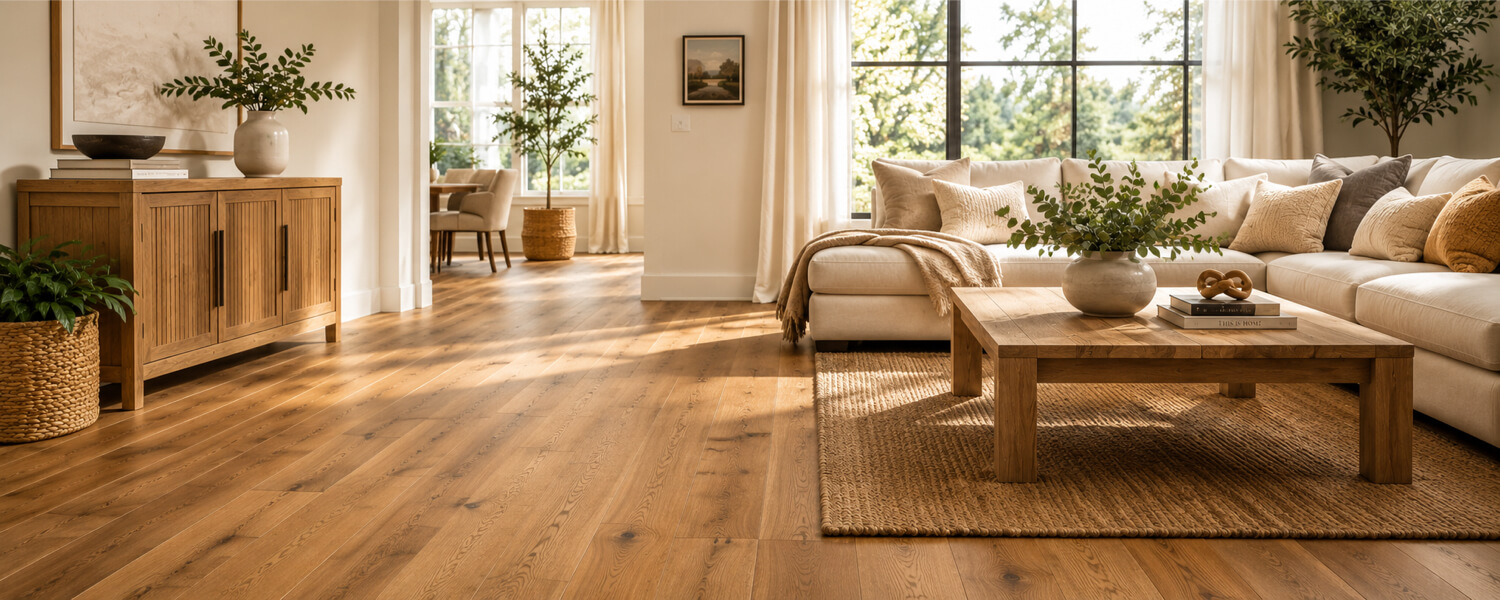
Choosing the right flooring sets the foundation for your entire home design story. When you walk through a space, the floor is the element that connects every room, grounding your furniture choices and catching the changing daily sunlight. While design trends come and go, mid-tone wood flooring has established itself as an enduring classic that bridges the gap between different architectural styles. These balanced tones offer an exceptional foundation for your home, providing a backdrop that works with your life as your personal taste evolves over time. This guide explores why intermediate wood tones continue to be the most adaptable foundation for modern households.
Floor choices establish the mood, character, and visual boundaries of your living space from the moment the installation is complete. Homeowners frequently find themselves balancing the desire for a current, stylish look with the practical need for long-term durability and relevance. Selecting a floor is a major commitment, and you want to ensure your choice remains relevant as your interior styling changes. Mid-tone wood species provide exactly this kind of assurance, serving as a reliable anchor that accommodates changing decor choices while maintaining its own quiet elegance.
The Design Balance of Intermediate Wood Tones
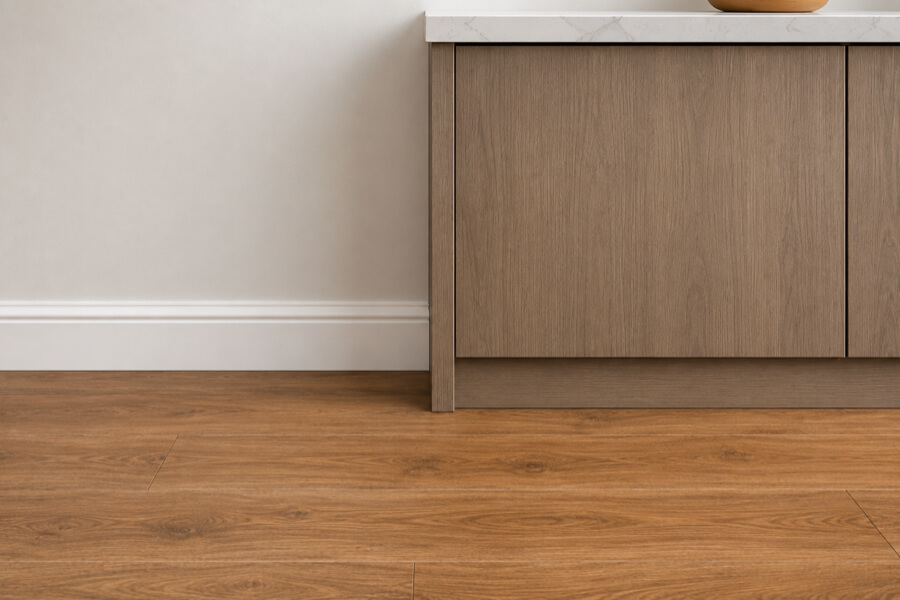
Floor colors heavily influence how large a room feels and how light moves across a space. Very dark floors create a dramatic and cozy atmosphere, but they can sometimes make smaller rooms feel confined. On the other end of the spectrum, ultra-light or bleached woods provide an airy, Scandinavian aesthetic, yet they can occasionally feel sparse or cool if the room lacks proper staging. Mid-tone woods sit comfortably right in the middle of this spectrum, offering the best characteristics of both worlds without the extreme drawbacks.
Mid-tone options provide a welcoming aesthetic that makes large open-floor plans feel connected and comfortable. Colors like warm honey, soft amber, and light chestnut bring a rich depth to your floors that enhances the inherent beauty of the wood grain. This natural warmth helps create an inviting atmosphere in central gathering hubs like your living room or dining area, making your home feel immediately comfortable for family and guests. You will notice how these mid-range shades tie different architectural features together, softening the transition between structural walls and open spaces.
An intermediate wood shade absorbs just enough light to show off its rich grain texture while reflecting the rest back up into your living space. This balanced reflection ensures that your rooms remain bright and cheerful throughout the day, even in areas with smaller windows. The subtle golden or tan undertones in mid-range flooring amplify the morning sun, creating a bright and pleasant environment without making the space feel washed out. This balance allows you to maximize the ambient light in your home during dark winter afternoons while keeping the space feeling grounded during bright summer days.
Architectural Flexibility Across Different Home Styles
A primary advantage of choosing a mid-tone wood floor is its ability to complement almost any architectural style or interior design approach. Whether you live in a historic home with traditional trim or a newly constructed house with clean lines, intermediate tones adapt naturally to their surroundings. You will find that these floors act as a design chameleon, allowing you to change your wall paint, textiles, and furniture styles over the years without ever needing to replace your flooring. This gives you long-term creative freedom as your family grows and your design interests shift.
If you love the clean lines and organic shapes of mid-century design, mid-tone flooring provides the ideal backdrop. Warm oak or walnut floors coordinate with the iconic tapered legs of vintage furniture pieces and the rich tones of teak or rosewood sideboards. The floor creates a cohesive look that allows iconic furniture silhouettes to stand out. The natural amber undertones found in many mid-range woods speak to the historical era of mid-century architecture while updating it for contemporary living.
For homes featuring classic crown molding, wainscoting, and formal layouts, intermediate wood tones offer an elegant sense of permanence. These colors align with historic hardwood installations, giving your home a timeless foundation that feels intentional and well-crafted. In transitional spaces, where you might mix old family heirlooms with sleek modern fixtures, a mid-tone floor acts as the unifying element that ties these disparate pieces together. It softens the stark nature of ultra-modern materials like steel or concrete while giving traditional antiques a fresh perspective.
Everyday Practicality and Performance Benefits
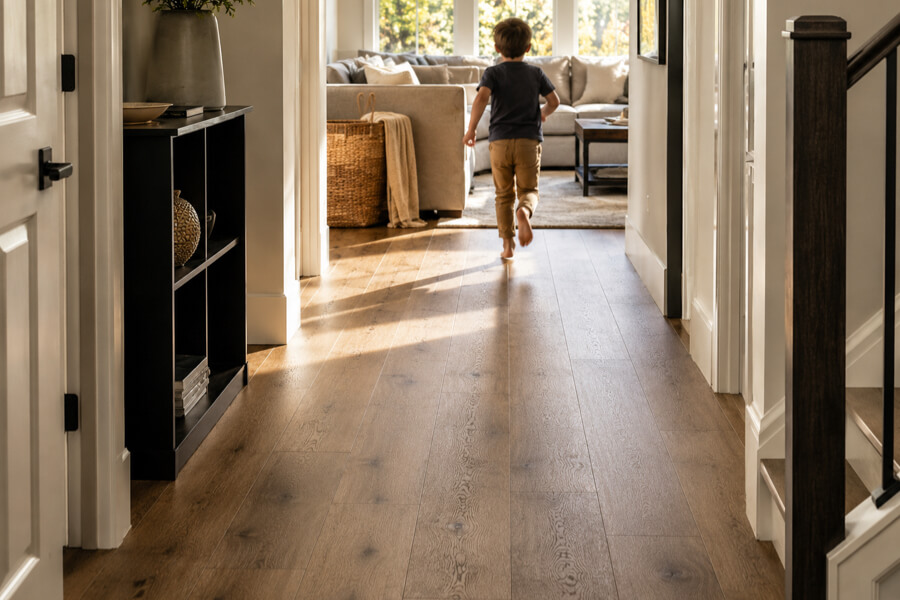
Beyond visual appeal, your floors must withstand the realities of daily life, including foot traffic, pet paws, and accidental spills. Mid-tone woods excel at handling the daily demands of a busy household, offering distinct maintenance advantages over their very light or very dark counterparts. When selecting flooring, considering how it manages the natural wear and tear of a household ensures you choose an option that looks excellent with minimal upkeep.
Dark hardwood floors look stunning when freshly cleaned, but they tend to highlight every speck of white dust, pet dander, or lint within hours. Light floors can similarly show dark tracking dirt or outdoor debris brought in from the yard. Mid-tone woods are exceptionally forgiving because their natural coloring closely matches the average tone of daily dust and outdoor debris, meaning your floors look clean and presentable for much longer between sweepings. This quality lightens your weekly cleaning routine, giving you more time to enjoy your home rather than constantly maintaining it.
Over the years, minor surface scratches from moving furniture or playful pets are inevitable. On very dark stained wood, a scratch often exposes the lighter natural wood underneath, creating a high-contrast mark that draws the eye. On mid-tone planks, the surface color is consistent through the wood, which helps camouflage superficial scuffs and minor wear, preserving the look of your investment over time. This resilience makes the material especially suitable for high-traffic entryways, busy hallways, and bustling family kitchens.
Simple Guidelines for Pairing Tones and Colors
Creating a cohesive interior involves coordinating your floor with other wooden elements, wall paints, and fabrics throughout the house. Mid-tone wood flooring simplifies this process by acting as a neutral foundation that supports a vast palette of design choices. Instead of restricting your options, these floors invite you to experiment with various textures and color values to build a layered interior.
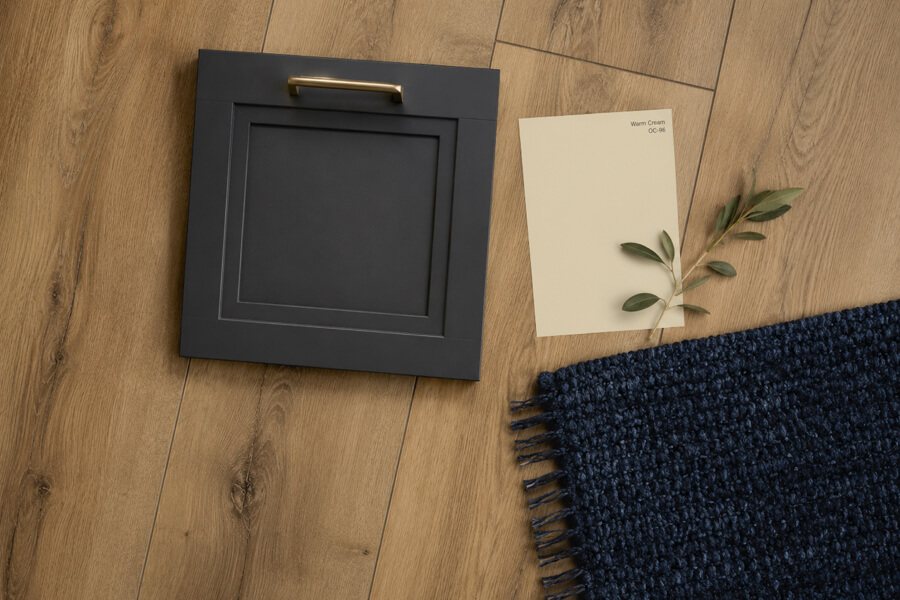
When pairing your floor with kitchen cabinets or large furniture items, aim for a clear contrast by selecting cabinets that are either two shades lighter or two shades darker than your flooring to prevent the woods from competing. Pay close attention to the underlying hues of your flooring when choosing wall paint, opting for warm cream or beige walls to complement golden wood tones, or cool grays and crisp whites to balance out muted, ashy undertones. Use textured area rugs in shades of navy, olive green, or terracotta to break up large expanses of wood flooring and define distinct functional zones within an open-concept living space. These layers add dimension and allow you to showcase your personal style choices.
Choosing Your Ideal Mid-Tone Wood Flooring
Investing in new flooring is an exciting step that transforms how you experience your home every single day. Mid-tone woods offer a balance of design flexibility, architectural longevity, and daily practicality that few other design elements can match. By choosing an intermediate wood tone, you create a timeless foundation that celebrates natural beauty while giving you complete freedom to express your personal style now and in the future.
At Hubbard Flooring Studio, we’ll help you explore your options and find the right flooring for your home in Baton Rouge, LA.